Last time, we covered the basics: the curl, the sprawl, the dramatic sigh that signals the end of the day. But your dog’s sleeping positions are far more complex than they let on. Welcome to Part 2, where things get personal.
First, there is The Upside-Down Disaster.
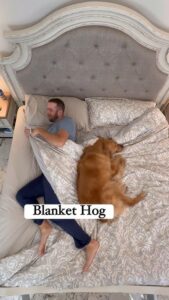
This is when your dog sleeps on their back, legs in the air, spine twisted like they lost a bet. This position says, I trust you completely and I have no awareness of gravity. The paws may twitch. The tongue may escape. You will consider taking a photo, then hesitate because it feels intrusive. Take it anyway. No one will believe you.
Next is The Corner Press.
Your dog wedges themselves into the tightest corner of the room, nose facing the wall, body pressed flat like they are being stored for later use. This is not discomfort. This is safety. Dogs believe walls are emotionally supportive. If they could sleep inside them, they would.
Then we have The Half-On, Half-Off.
One part of the dog is on the bed. A leg, maybe a shoulder. The rest is dangling into the void. This position exists solely to confuse physics and remind you that comfort is subjective. They will remain like this for hours. If you try it, you will need medical attention.
Now observe The Surveillance Nap.
Eyes closed. Ears active. One eye opens the moment you move. This dog is not asleep. This dog is resting their soul while guarding the household from suspicious activities like snack retrieval. Breathing is slow, but judgment is immediate.
There is also The Human Claim.
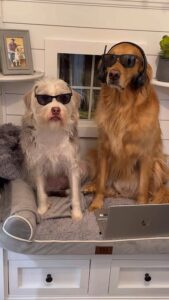
Your dog sleeps directly on you, not beside you, not near you—on you. Chest, legs, face, personal space: irrelevant. You will wake up numb, dehydrated, and emotionally bonded. Moving is not an option. You have been chosen.
Next comes The Dream Marathon.
This sleep involves running paws, soft barks, tail flicks, and facial expressions suggesting an intense storyline. You will wonder what they’re chasing. You will hope they win. Do not wake them. Whatever happens in that dream is important.
Then, unexpectedly, The Midnight Relocation.
Your dog stands up at 3:17 a.m., sighs loudly, circles three times, and relocates to another room. This is done silently, yet somehow wakes the entire house. No explanation will be provided.
Finally, The Wake-Up Accusation.
Your dog wakes up and looks at you like you did this. Like you personally scheduled morning. Stretching occurs. Yawning, but louder than necessary. Eye contact is held. You will apologize, even though you shouldn’t.
In conclusion, your dog doesn’t just sleep. They perform. Each position is a message, a mystery, a quiet reminder that no matter how tired you are, they are always more comfortable than you.
And they earned it. 🐶
